
NEWS TAG
brand
Flooring Trends 2026 | Most Popular Floor Colors & Materials for 2026
Let's talk floors again, the unsung heroes that set the stage for every room's personality! As we move into 2026, flooring isn't just about what's under your feet; it's the foundation for your home’s entire vibe. Today's floors are bolder, more comfortable, and full of character, with exciting materials and colors that can transform a space from bland to truly breathtaking. Let's look at the flooring trends in 2026 and what popular floor materials and colors are setting the stage for stylish, modern living.
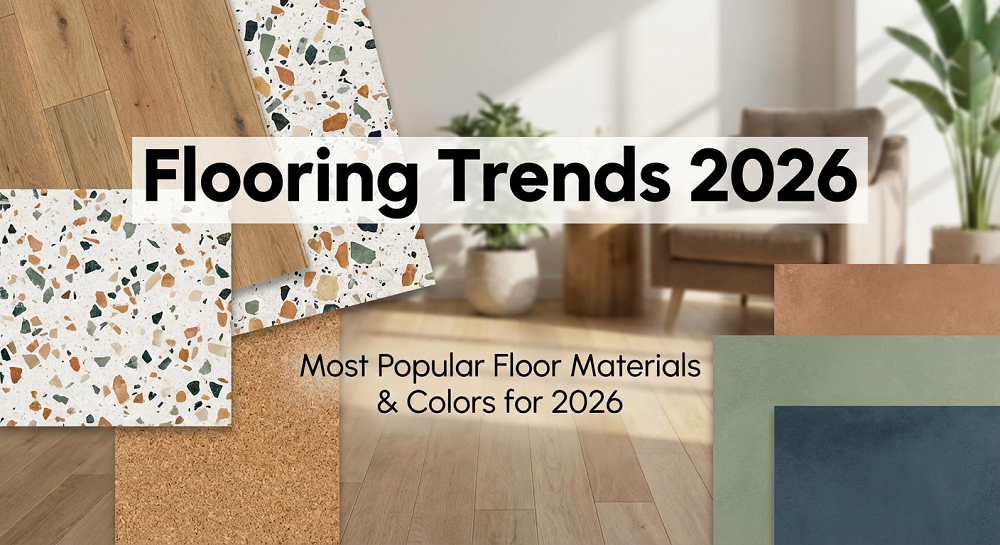
2026 Flooring Material & Color Trends | Most Popular Flooring 2026
If there’s one word for flooring in 2026, it's thoughtful. Homeowners and designers are choosing surfaces that are as practical as they are beautiful, making sure floors can handle real life, spills, kids, pets, you name it, while still looking fabulous. Sustainability is front and center, with eco-friendly materials like bamboo, cork, and reclaimed woods moving from niche to mainstream. Meanwhile, technology is giving us new hybrids that look just like hardwood but laugh in the face of water damage and heavy foot traffic.
Colors are warming up, textures are getting richer, and patterns are playfully popping up in unexpected places. From plush carpets making a comeback in bedrooms to sleek, oversized tiles stretching across open living spaces, there’s a fresh energy underfoot. This year is all about mixing comfort, durability, and personality, because your floors should work hard and look stunning, too!
2026 Flooring Color Trends
Color choices for flooring in 2026 reflect a widespread desire for warmth, comfort, and timeless appeal. From inviting neutrals to bold statements, the colors setting the tone this year create spaces that feel both fresh and enduring. Here are the most popular flooring colors will highlight your room in 2026:
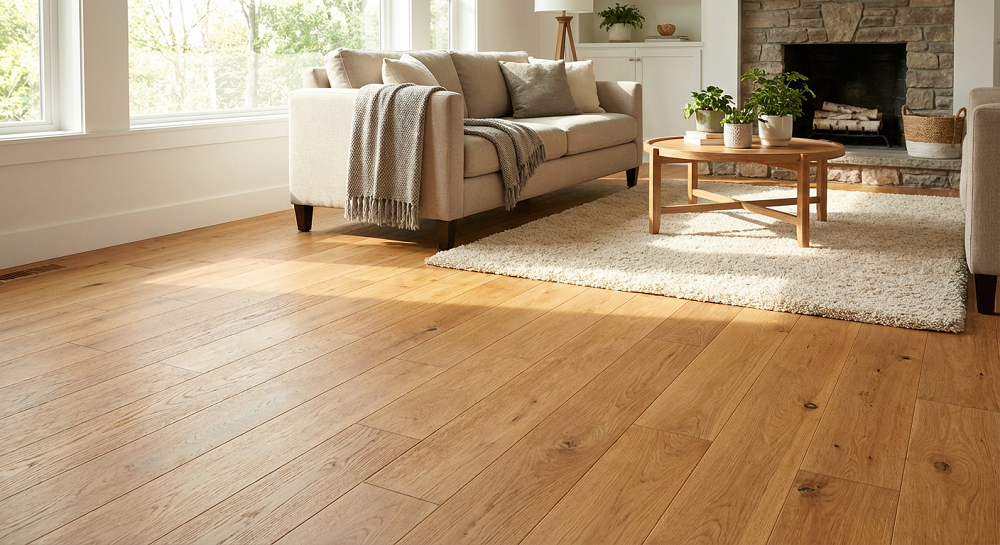
1. Warm, Natural Wood Tones
Natural hues are leading the way, with oak, honey, and walnut shades delivering a sense of timelessness and quiet luxury. These colors bring out the character of wood and are valued for their ability to make rooms feel welcoming and grounded. Light to medium wood tones are especially favored for their adaptability, pairing effortlessly with both classic and modern interiors, and aging gracefully as design trends shift.
2. Deep & Rich Wood Colors
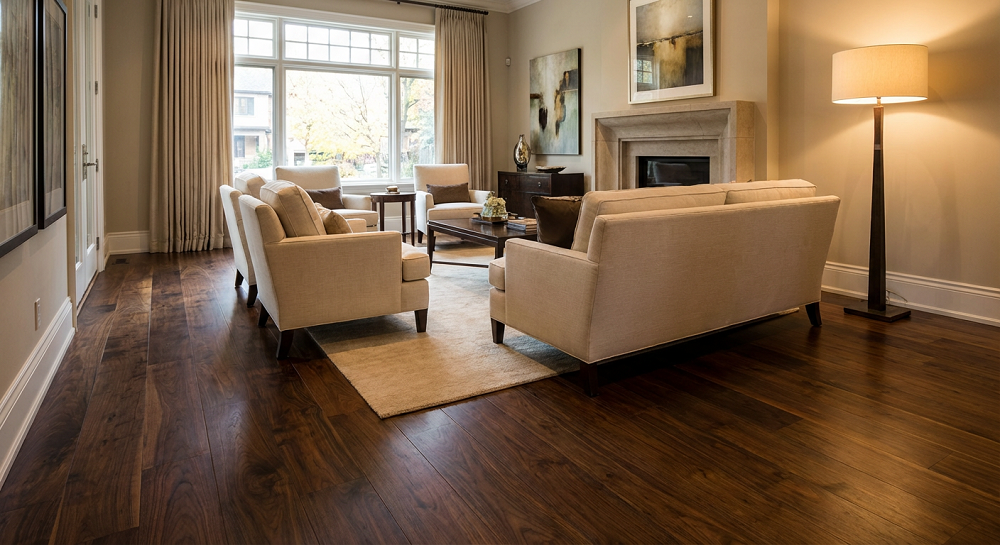
Darker wood tones are enjoying renewed attention, offering depth and sophistication to living spaces. Cherry, mahogany, and walnut floors add a layer of coziness and elegance, while their rich shades create contrast against lighter furnishings. These deeper colors are increasingly used to create a sense of intimacy in larger rooms or to add drama in contemporary settings.
3. Earthy Stone-Inspired Neutrals
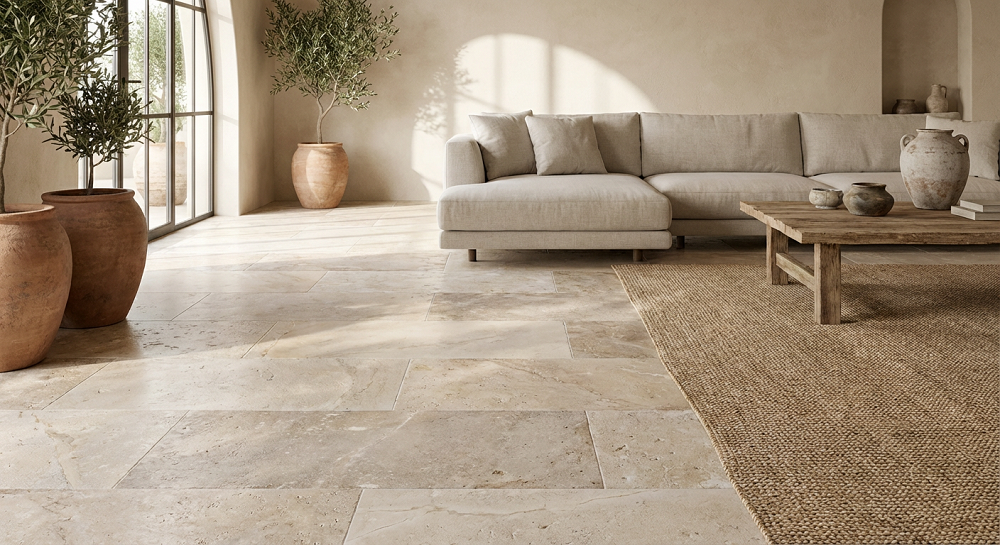
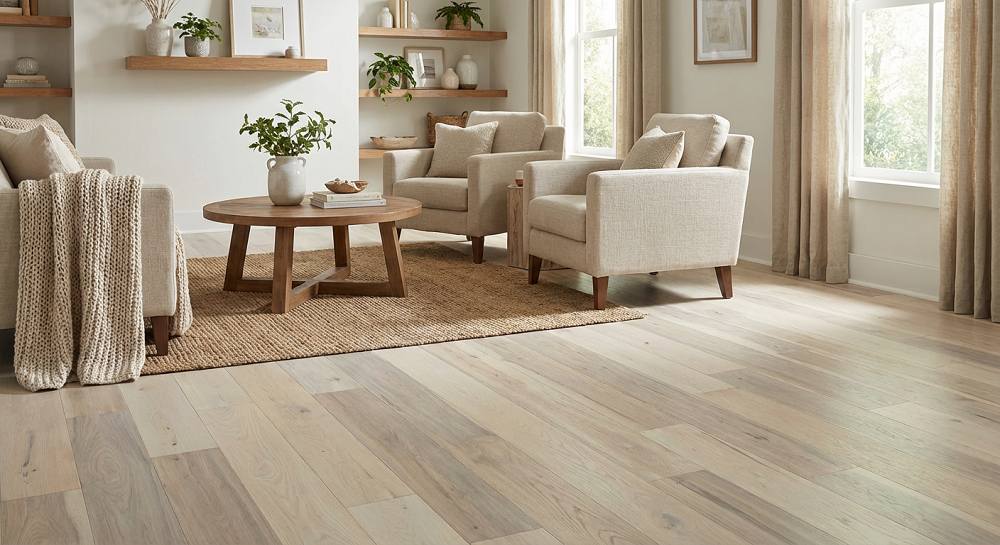
Stone-inspired neutrals are becoming a staple for homeowners seeking calm and understated luxury. Cream, taupe, and soft beige floors, seen in materials like limestone and travertine, give spaces a refined, serene atmosphere. These shades work beautifully in minimalist, Mediterranean, or rustic-inspired homes, and offer a versatile foundation that never feels outdated.
4. Soft Whites & Gentle Grays
The era of stark white and cold gray flooring is fading, replaced by creamy whites and gentle grays that feel warmer and more inviting. These softer hues brighten smaller spaces, making them appear open and airy, while providing a flexible canvas for changing décor styles. Gentle grays are especially popular when balanced with warm wood accents and natural textures.
5. Nature-Inspired Greens
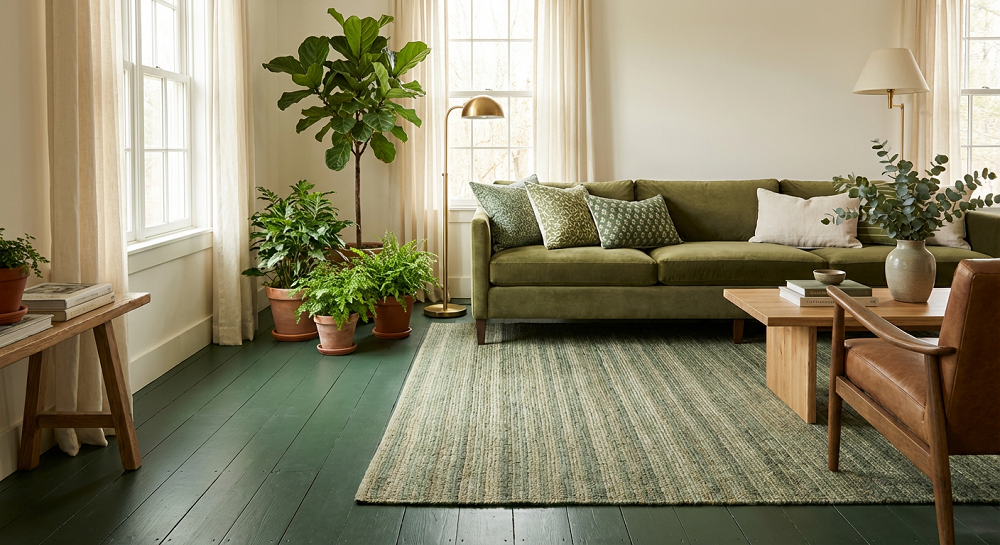
Green is taking on a new role as a versatile neutral, bridging the gap between traditional earth tones and more vibrant color schemes. From muted sage to deeper forest greens, this color is appearing in tile, painted wood, and even carpeting. Green’s calming effect and ability to coordinate with both cool and warm palettes make it a sought-after choice for bathrooms, powder rooms, and living areas.
6. Burgundy, Rust, and Toasty Reds
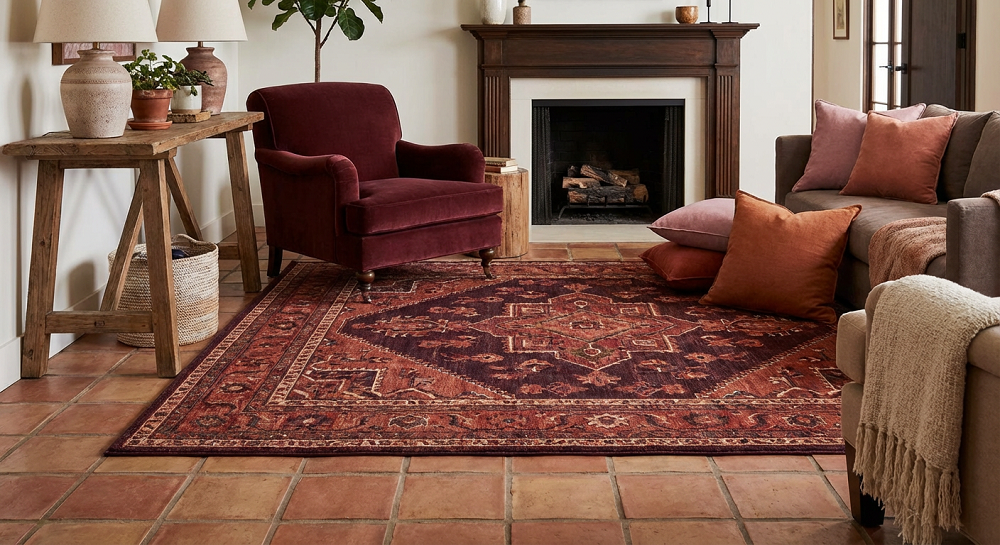
Color enthusiasts are gravitating toward richer shades like burgundy, rusty red, mid-toned dusty pink, and terracotta. These toasty hues add warmth and personality, often inspired by trends in fashion and the return of classic Tuscan influences. Used thoughtfully, these colors bring a sense of decadence and coziness to interiors, especially in accent areas or smaller rooms.
7. Dark Drama & Bold Statements
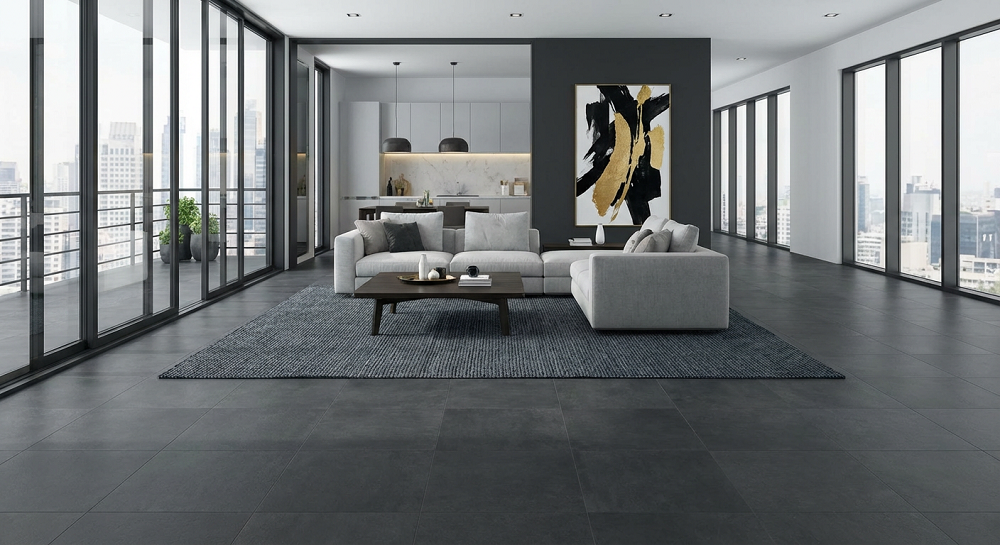
Floors in black, deep brown, and charcoal are adding a sense of drama and modernity to contemporary homes. These bold colors create striking backdrops that highlight furniture and décor, contributing to spaces that feel both chic and grounded. When paired with textured surfaces or matte finishes, dark flooring offers a sophisticated, low-maintenance option for high-traffic areas.
8. Matte, Textured, and Patterned Finishes
Glossy floors are giving way to matte and textured finishes that feel softer underfoot and are better at disguising daily wear. Textured surfaces, such as linen-inspired tiles or subtle slate effects, create visual depth and practical benefits like slip resistance. Patterned tiles in geometric shapes or bold layouts are used to define spaces, add movement, and infuse personality into rooms.

These color directions speak to a larger trend: flooring in 2026 is about creating welcoming environments that feel current yet timeless. Warmth, natural inspiration, and thoughtful combinations dominate, ensuring that floors serve as the perfect backdrop for evolving styles and lifestyles.
2026 Flooring Material Trends
The selection of flooring materials in 2026 is defined by a shift toward surfaces that balance beauty with daily practicality. Here’s a closer look at the leading floor material trends in the new year:
1. Sustainable & Eco-Friendly Flooring
Materials that minimize environmental impact are at the forefront this year. Cork flooring, bamboo planks, and reclaimed wood are gaining traction as homeowners prioritize renewable resources and unique textures. Carbon core products, which blend bamboo and charcoal composites, have become popular for their water resistance, improved scratch performance, and better sound absorption—qualities that suit active families and open-plan homes. These eco-conscious floors not only look stylish but also contribute to a healthier indoor environment.
2. Hybrid Rigid Core Flooring
Hybrid rigid core flooring is quickly becoming the choice for those wanting the look and feel of real wood but with added strength. This new category marries the appearance and thickness of authentic wood with waterproof durability and longer life, outperforming traditional engineered wood in many ways. Hybrid rigid core planks are engineered to handle heavy traffic, resist moisture, and maintain their beauty, making them ideal for busy living areas, kitchens, and even basements.
3. Luxury Vinyl Plank (LVP)
Luxury vinyl plank remains a frontrunner in residential flooring thanks to its resilience and versatility. LVP is designed to closely imitate natural hardwood and stone, available in a wide range of finishes and textures. Collections in 2026 feature wider planks and more realistic embossing, allowing homeowners to achieve the warmth of oak, the richness of walnut, or the serenity of ash—all with easier maintenance and affordability. Its waterproof nature makes it a smart solution for bathrooms and kitchens, while its comfort underfoot adds appeal for everyday living.
4. Engineered Wood Flooring
Engineered wood continues to evolve, offering the timeless beauty of hardwood with added practicality. Constructed with a solid wood top layer over a stable plywood base, this type of flooring resists warping and swelling, allowing installation in areas where solid hardwood might not perform well. The appearance is virtually identical to traditional hardwood, and deeper wood tones like cherry, mahogany, and walnut are seeing renewed popularity, reflecting a move toward richer, more inviting interiors.
5. Ultra-Realistic Wood-Look Porcelain Tile
Porcelain tiles that mimic wood have reached new levels of realism in 2026. Authentic grain patterns, natural knots, and varied coloring create a surface nearly indistinguishable from genuine hardwood. These tiles bring warmth and character to living spaces, yet offer superior durability, zero maintenance headaches, and compatibility with underfloor heating. Their ability to withstand spills, scratches, and heavy furniture makes them a preferred option for living rooms, kitchens, and entryways.
6. Natural Stone Effect & Large Format Tiles
Natural stone flooring is experiencing renewed interest, especially in limestone and flagstone. These materials deliver organic textures and earthy tones, creating atmospheres that range from calm and minimalist to rustic and grounded. Porcelain and ceramic tiles remain staples for their density and moisture resistance, but the focus is shifting to large-format tiles and extra-wide planks. These formats minimize grout lines, produce a seamless look, and visually expand open-concept spaces, contributing to a sense of spaciousness and luxury.
7. Texture, Pattern & 3D Surfaces
Floors in 2026 are far from flat. Hand-scraped and wire-brushed wood finishes introduce a lived-in, rustic appeal that’s especially adept at hiding everyday scratches. Tiles with 3D textures and metallic finishes are gaining popularity, creating surfaces that catch and reflect light for subtle glamour. Geometric patterns, such as chevron, hexagon, and intricate mosaics, are used to add movement and design interest, transforming flooring into a focal point rather than a background element.
8. Modern Carpet Innovations
Carpet is experiencing a renaissance, with modern updates that focus on comfort and style. Today’s carpets feature bold patterns, vibrant colors, and sustainable materials, moving far beyond the plain neutrals of years past. Plush high-pile carpets and simple geometric designs are being introduced in bedrooms and family rooms, providing warmth, sound absorption, and a welcoming atmosphere. These new carpets are especially valued in upper floors and children’s spaces, where softness and insulation are priorities.
Each of these material directions reflects a commitment to style, practicality, and longevity, ensuring floors are as inviting as they are functional in the homes of 2026.